construction workers

Radon in the workplace

A naturally occurring radioactive gas, radon can affect all kinds of properties. It is colorless and odorless. It is also a serious health hazard. Prolonged exposure to radon can lead to lung cancer and other illnesses. It is actually the second leading cause of lung cancer.

As a construction worker, you should be aware that radon is created by the natural breakdown of elements in the soil. It can be found in water and igneous rock. Radon is a product that is created from radium to uranium. Radium then breaks down into radon.

A lot of new construction is being built using a radon-resistant approach. If a building tests positive for radon, a radon mitigation system can be installed.

Those who work in the construction industry can come into contact with radon in the workplace, so it is important to be attentive. Radon testing can help ensure the safety of the work crew. If there is radon in the area, you should take the proper action to ensure that it is safe to continue working at the job site.

OSHA has radon exposure limits for individuals in the workplace. Those limits are based on a 40-hour workweek and should be monitored and tracked and then properly reported.

While radon is something that you cannot see, it is a serious workplace hazard that requires the attentiveness of the whole team.

If you have concerns about radon, speak with an expert on the matter and make sure you have the proper testing protocols in place. Worker safety is essential in all aspects of the job.
Read more

Falls are a worksite risk

Slips, trips, and falls are among the most threatening hazards that construction workers can face. According to the statistics, about 15 percent of all work-related deaths are from these kinds of incidents. Slips, trips, and falls are expensive to employers as well, costing about $11 billion annually. You need to make sure you know how to prevent a workplace slip, trip, or fall as a construction worker. Here is a closer look.

The 2013 Liberty Mutual Workplace Safety Index reported that falls resulting from slips or trips were the second leading reason for workplace fatalities and injuries. These incidents are just right behind motor vehicle accidents. Slips, trips, and falls are a leading cause of emergency room visits.

Here are some things to keep watch for:

  • Loose rugs or mats
  • Walking surfaces that are not level
  • Poor lighting
  • Obstructed views
  • Wires and cables that are not covered
  • Clutter
  • Preventing falls and slips

There are several things that you can do to prevent workplace slips, trips, and falls.

  • Clean up as you go, and don’t leave things lying around
  • Wear slip-resistant shoes
  • Use extra care on uneven surfaces
  • Use caution on wet surfaces
  • Clean up spills
  • Mop or sweep up debris
  • Clear walkways
  • Cover cables and wires
  • Make sure the area is well lit
  • Check for fall hazards
  • Salt highly traveled areas during winter months
  • Clean your work area at the end of the shift
  • Be attentive to where you are walking
Read more

Winter weather safety

Wind chill index

For those working outside, knowing the weather forecast is important. Also, having the proper gear for all seasons is essential to the health and safety of construction workers. But in the winter months, temperatures can be misleading. This is a closer look at how the wind chill index can come into play.

Low temperatures and cold weather should be of enough concern, but when the wind is factored in, it can often feel much colder. Wind gusts of 20 miles per hour can make 10 degrees feel like it is 9 below, so you need to be prepared for what the wind blows your way.

When there is wind present along with the colder temperatures, the National Weather Service will issue wind chill advisories or wind chill warnings. That is to alert individuals of the dangers present while outside in frigid conditions.

Tips for working in frigid conditions:

  • Stay alert and watch for hazards
  • Be attentive to coworkers and notice if they are experiencing difficulty
  • Take breaks regularly, and find a warm place to spend a few minutes
  • Sometimes it turns cold fast, so make sure you take the time for your body to acclimate to the weather conditions and temperatures
  • If you have the ability to avoid working in the most extreme conditions, take the day off
  • Drink warm beverages, such as coffee or hot tea, to help keep your body temperature up
  • Layer up because wet clothing can harm your body

By making sure you are ready for what the winter weather throws your way, you can reduce the risk of physical harm to yourself or your crew.

Read more

Keeping Safe While Welding

Learning how to weld can lead you to a fulfilling hobby or long-term career, but is incredibly dangerous when not performed correctly. We created this industry-professionally reviewed guide to provide all the safety basics in one place. Topics covered include:

  • The main hazards of welding and how they happen
  • Essential welding safety equipment and PPE
  • How to keep your workspace safe
  • OSHA requirements for welders

Essential Tips

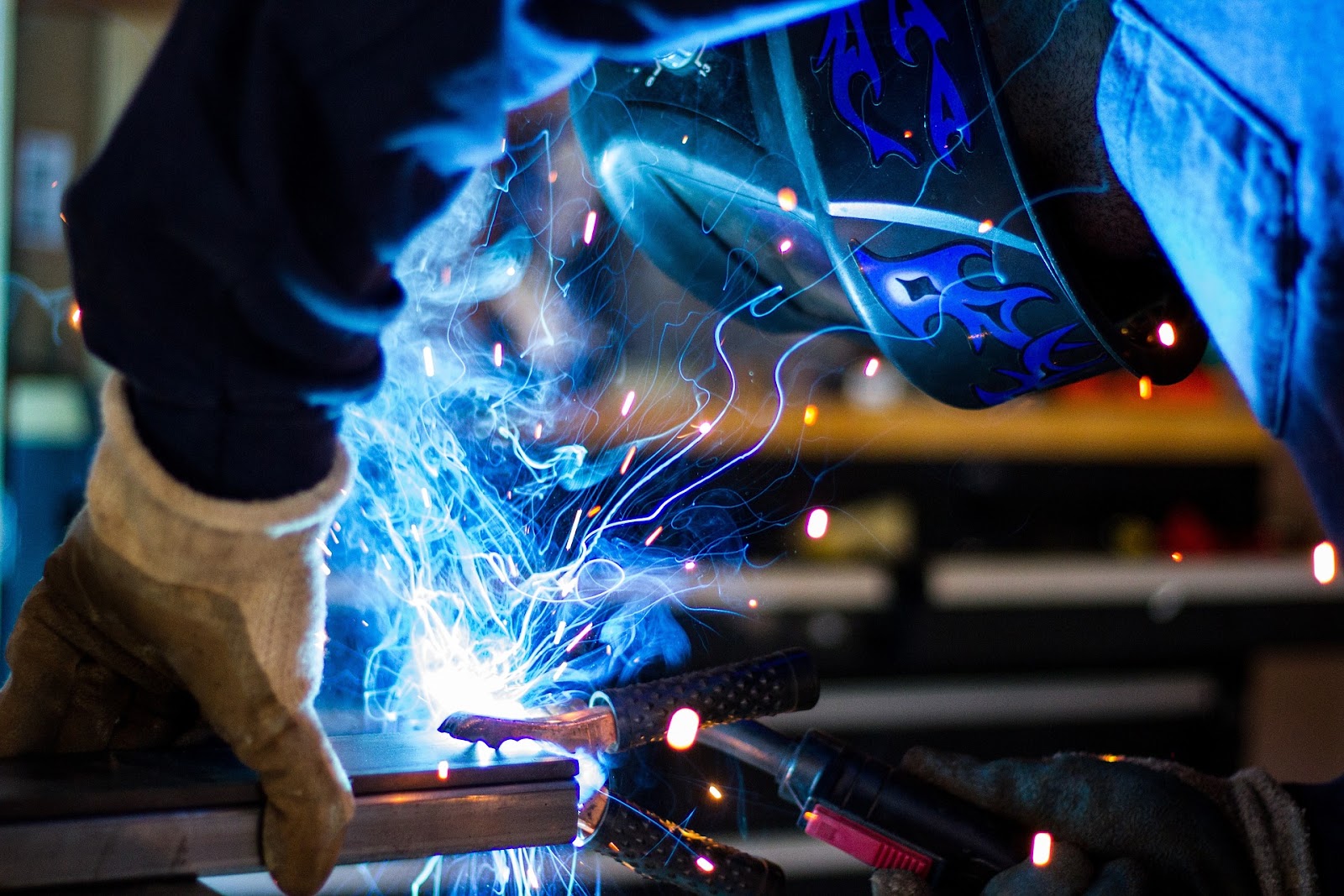
Welding is a craft that has been honed in the last century, it’s a very useful trade to learn, and one that’s in high demand today due to critical construction workforce shortages. It’s a process that involves plenty of dangerous elements — electricity, fire, bright lights, and harmful gas emissions.

Getting burnt, being electrocuted, developing respiratory issues from inhaling hazardous fumes, and being blinded are all very real dangers. Keeping safe is of utmost importance if you value your life, quality of life, or limbs. 

Read on for some welding safety tips to keep you safe while you work on your latest welding project.

Protect Yourself

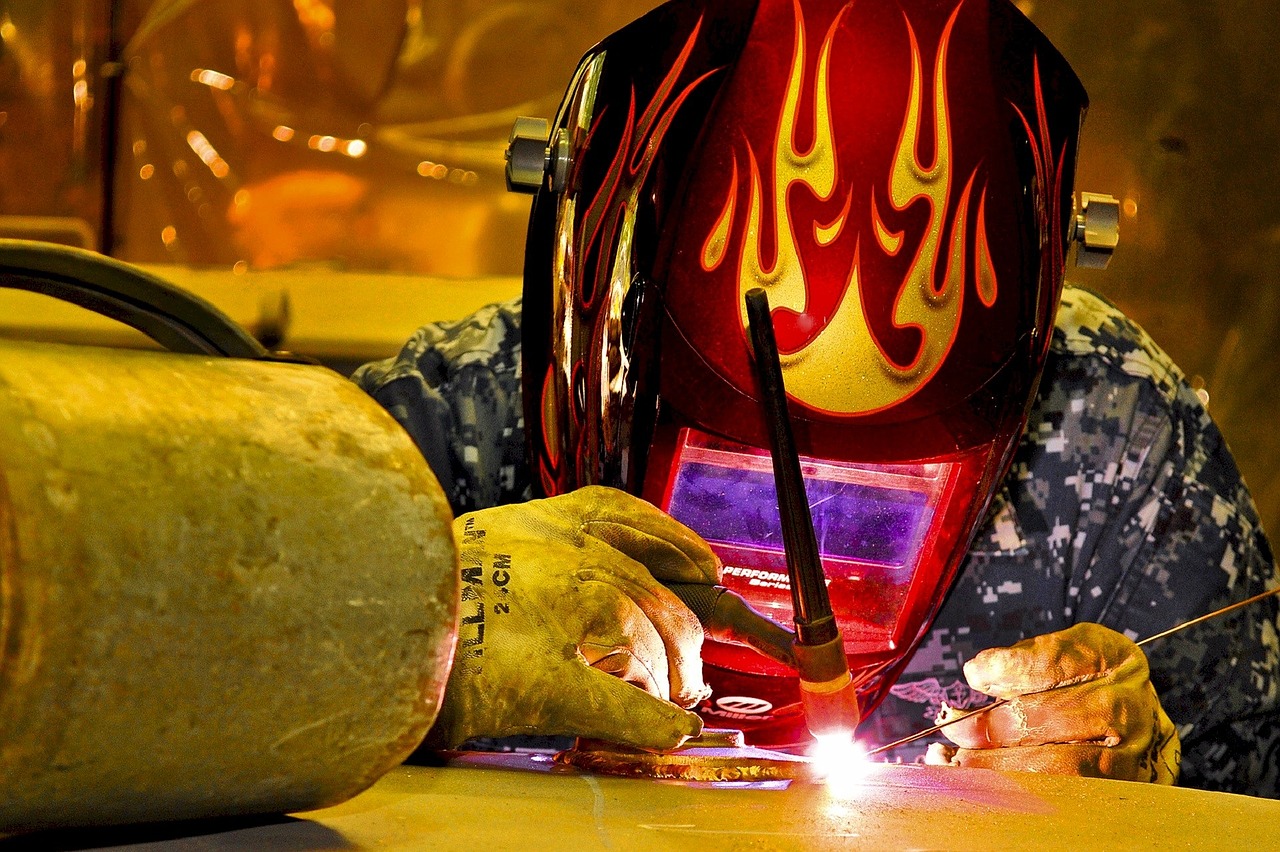
Safety starts with wearing the right gear and protecting your most valuable assets – your eyes, ears, nose, hands, feet, skin, lungs, and limbs, of course. Here is a list of essential items to kit yourself out in:

  • A welders helmet – newer versions now have lenses that adjust to light the same way that prescription sunglasses do so you can see what you are doing when you’re not welding without adjusting your helmet.
  • Leather boots – make sure to get ones with steel-reinforced toes and a rubber sole.
  • A heavy overcoat or shirt and apron – leather or fire-retardant canvas or fabric are the ideal materials for these to be made from.
  • Thick leather gloves, long denim or leather pants, and leather spats – the idea is to cover all of your exposed skin with a flame-resistant material to avoid any nasty burns to your skin from direct spatter or through your clothing catching on fire.
  • A welding skull cap – will protect your face, neck, and head where your welding helmet does not cover you. It should be flame resistant and cover the top of your head, the side of your face and your ears, your forehead, and the back and front of your neck.
  • An N95 or N99 mask for simple welding or an N100 mask for arc welding – using one of these while also practicing safe ventilation methods will drastically decrease your exposure to dangerous fumes.

When buying protective clothing, always choose the best quality items you can afford. Inspect each item regularly for damage and replace it if necessary.

Safeguard Your Workspace

Ventilate

Never weld in an area with inadequate airflow. If you are working indoors, make sure you are using a commercial-grade ventilation system or an adequate extraction hood.

Insulate

Make sure you are grounded. Never weld while standing on a wet surface or metal flooring. Wearing the correct gear also helps to insulate you from electric shock and electrocution. 

Only allow trained professionals to perform maintenance and repairs on your welding equipment and make sure to test it regularly.

Fire-Proof

Spatter from welders can reach about 35 feet away from where you are working. Clear away any flammable items within this range to avoid starting a fire. If certain things cannot be relocated, cover them with a sheet of metal or a fire-retardant blanket.

You can also block spatter from items within range with non-flammable material.

Hydrate

Dehydration can cause fainting and dizziness. Keep hydrated while you work to stop an otherwise safe situation turning into an unfortunate accident. Plan to take regular cooling-off breaks or take one immediately if you feel dizzy or thirsty.

Prepare for the Unexpected When Welding

  • Read or re-read the manual before starting work to make sure you understand the operation of all the equipment you will be using.
  • Apply for a training course to hone your expertise If you’re an employer, consider sending your employees for a training course. There are even employer training grants available in the US for this.
  • Brush up on emergency protocol. If you don’t yet have a protocol, what are you waiting for? Map out different scenarios and write down what the necessary steps would be. This will help you to eliminate any forgotten hazards and procure any essential emergency, first-aid, and safety equipment that you might have previously overlooked. You’ll be calm and prepared for any situation, and this could save a life.
  • Keep fire-fighting equipment close by – fire extinguishers that have been inspected and are within their expiry date are a must. A hose pipe, sand buckets, a trough filled with water or wet blanket are also worth considering keeping readily available while you work.
  • Buy a first aid kit specially assembled for use in welding accidents and get accustomed to using the items in it.

Conclusion

The CDC’s NIOSH Hierarchy of Controls pyramid perfectly sums up the important practices for safety mentioned in this article, listed from most to least effective:

  • Elimination – physically remove the hazard.
  • Substitution – replace the hazard with something less hazardous.
  • Engineering controls – isolate people from the hazard.
  • Administrative controls – change the way people work around the hazard.
  • PPE – Protect the worker with personal protective equipment.

Keep yourself safe and happy welding to you.

Read more

Great Gifts For Construction Workers

If you have a construction worker on your Christmas list, you may be left wondering would be a gift they will appreciate and, also get plenty of use out of. Here are a few of the top gift ideas for someone who works in construction.

  • Dual-port car chargers – Spending a lot of time traveling from one job site to another, and working outdoors, they need to keep their smartphones and tablets charged. A dual-port car charger helps keep two devices ready to go.
  • Portable rechargeable work lights – Cordless rechargeable work lights can provide up to 5 hours of light and will easily attach to different surfaces.
  • All-weather pens or pencils – Construction workers often must write down details and in bad weather, that can be challenging. All-weather mechanical pencils and pens perform in extreme temperatures and provide waterproof writing.
  • Bluetooth speakers – While these are common in homes, they are great gifts for job sites and in heavy machinery. Bluetooth speakers let you play your music without taking along CDs. Just plug in your phone or other device and listen.
  • Tool totes – Tool bags with shoulder straps are available with a variety of pockets, so a variety of tools can easily be stored.
  • Rugged electronic cases – Help them protect their laptops, tablets, or phones with a rugged case that helps protect them from being dropped, scratched, and exposed to dirt and dust.
  • Lunch box – Get a heavy-duty construction site lunch box and not the old standard. As an example, the Stanley Heritage Cooler Thermos combo is leak-proof and comes with a locking handle to hold the thermos in its spot. It has a limited lifetime warranty.
  • Heated gear – Nowadays there are many heated items besides just foot warmers and hand warmers. There are gloves, socks, hoodies, boots, and jackets available that are heated.

These are just a few gift ideas for the construction worker on your shopping list this holiday season.

Read more

Above Basic Job Duties

Construction Worker in New Mexico

A New Mexico construction worker, that went above basic job duties, has been hailed a hero after he saved a toddler from a fire in Albuquerque on Friday, July 12, 2019. According to media reports, Mason Fierro was putting a roof on a building when a fire started at the apartment complex next door.

The construction worker said the crew heard a man screaming for help from a second-story apartment. He was hanging a baby and toddler out the window, trying to get them to safety. The construction crew grabbed ladders to the apartment building to assist in rescuing the occupants who were trapped.

Construction Crew Saves Two Children From Blaze

Mr. Fierro told the man to drop his children off and that he would catch them. He said the man first dropped a little girl from the window who he caught. In a few moments, the man dropped a small boy, who was caught by the construction crew as well.

 The fire at the apartment complex resulted in three people being treated at an area hospital. The two children caught by the construction workers were taken to the hospital by relatives. A third person suffered smoke inhalation. All three are in stable condition and are expected to make a full recovery.

The fire department reported that the apartment building was a total loss. The cause of the fire has not yet been determined, but the investigation is ongoing. Firefighters arrived on the scene within 5 minutes of receiving the call, but they said they were glad the construction workers acted promptly and saved the children. The firemen credited the construction crew with saving the lives of the baby and the toddler.

Read more

The Importance of a Laborer

Look at any construction site and you will see the big machines going about their work, cranes, excavators, trucks, and so on, all play a vital role in any construction project. What you may not pay so much attention to are all the people on the site working around those machines, the laborer, so a common question is, why are they there?

If we think about construction sites, and what goes on, while the heavy lifting, whether that is actually lifting by cranes, or moving heavy materials, digging and moving soil, or drilling, is all done by machine, none of them can operate entirely alone. It is laborers on site who do much of the construction work, using hand power tools, moving materials into position after they have been dropped in bulk, carrying out assembly, and other skilled work within the construction where large machines simply cannot reach. All of these things are carried out by laborers, but that is just a fraction of the workload the site laborers will carry out on any construction project.

It is laborers that are the lifeblood of a construction site, they make it tick bringing everything together, they, as much as heavy machinery in their own way, power the construction industry. That is why laborers are so important, and why the skilled laborer has seen an increase in demand and increase in pay while other industries go the opposite way.

Laborer

Laborers do need specific skills to, of course, use hand tools, jackhammers, erecting scaffolding, forming up concrete, and other tasks that they perform every day all require a level of understanding of the process to carry them out well, and importantly, safely. They should also be able to read plans on-site, and as such, laborers are skilled workers, carrying out essential tasks that often form a structural part of a construction project, but those skills are not all a laborer needs.

The job is physically demanding, lifting and carrying materials, working hand tools and powered machines all require a level of physical strength and stamina, and in combination with that, the coordination and dexterity to carry out assembly tasks or operate small machinery. Safety training is also important, not just for the work they do, but awareness of other safety issues on site.

For instance, for a laborer working on a site with large cranes or a lot of heavy machinery, awareness of what is going on around the site and good safety training is essential, laborers are particularly vulnerable with such large machines moving around, many of which provide the operator with limited vision around or below.

Skilled laborers perform essential tasks on any site, not just in construction, but in mining and other industries too. While technology has advanced the capabilities of our machines, the laborers are still the driving force on any project.

Read more

Fast growing construction job

A career in construction is a great option, it is in demand, and with so much work being done all around the country, allows you to be a part of what is really an ongoing move to rebuild America for the 21st century. That is something to be proud of, but when choosing a construction job or new career, you always want to make sure you pick something that offers the most opportunity for the future. In our experience, these are the fastest-growing construction jobs in the country, and they offer the best opportunity for anyone looking to build a new, prosperous career.

Equipment Operators

According to the Bureau of Labor and Statistics, Equipment Operators are not just in demand now but are expected to see a 12% growth over the next few years, and that means plenty of work for anyone with the right skills. From excavators to bulldozers, skid steers, dump trucks, and any other kind of heavy machinery operators, there are opportunities right across the country.

As new projects of all sizes are launched, and the infrastructure expenditure to refit the country for a new century continues, construction is a healthy industry with a bright future. Within those projects, the machinery operators that shape the sites and perform the work needed for roads, homes, factories, and other building works are required in increasing numbers. Currently, manufacturers are struggling to keep up with the demand for machinery, showing just how much demand there is right now, and every machine needs an operator.

With well-paid work and good conditions, starting a career as an operator is a great choice, with the right training you can begin your new career much faster than you imagine, and start building that lucrative career.

Construction Workers

Just behind operators, with project growth of 11%, construction workers are in demand too. It should not be surprising, because every site needs construction workers to do all those things machines cannot. A skilled worker can dig trenches, mix and pour concrete, assemble components, and so on, the basics of any construction project.

As the industry grows, so does the need for construction workers, and again, with high demand comes increasing wages and a wider choice of sites to work on. A career as a construction worker is a great opportunity, with room for growth both in demand and position, thanks to easy access to high-quality training.

Crane Operators

Finally, crane operators, who while not quite at the growth expectation of the others at a projected 9%, are still in demand, Qualified crane operators are always in demand in all kinds of construction work, from large projects to home building, not only is it a lucrative career, but with so many options, it can be a varied one too.

Choosing a career as a crane operator makes sense, with skills that are always in demand all year round, providing a good, reliable income for the foreseeable future.

Read more